


TGJones to Close Burnley Branch in January 2027 as Retail Restructuring Hits Lancashire
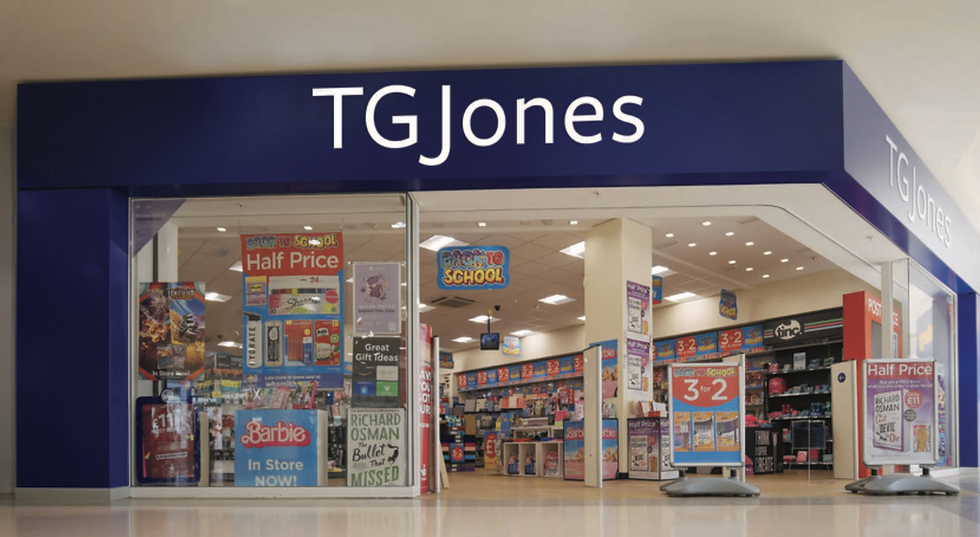
TGJones’ Charter Walk Shopping Centre branch scheduled to close permanently on 9 January 2027.
The closure comes as TGJones, formerly WHSmith’s high-street retail business, continues a major restructuring programme that could see up to 150 stores close across the UK.
For Burnley, the announcement raises fresh questions about the future of the town centre, the impact on local employment and the mounting challenges facing traditional high-street retailers.
TGJones closure confirmed for Burnley
The TGJones branch at Charter Walk Shopping Centre, located at 37 The Mall, Burnley, Lancashire, is scheduled to close permanently on 9 January 2027, according to local reporting by the Burnley Express.
The store sells books, stationery, newspapers, magazines, greetings cards and other everyday products. Its closure will mean the loss of another established retail presence in Burnley town centre.
The announcement forms part of a wider restructuring of TGJones, which inherited hundreds of former WHSmith high-street stores following the sale of that business to Modella Capital in 2025.
While the Burnley branch is scheduled to remain open until January, its planned closure reflects the significant changes taking place across the retailer's UK estate.
Why is TGJones closing stores?
TGJones has been facing challenging retail conditions, including weak consumer spending and rising operating costs.
In July 2026, the High Court approved a restructuring plan designed to help the business continue trading. The proposals included closing up to 150 stores, alongside substantial changes to rental agreements across its remaining estate.
The restructuring followed concerns about the company's financial position, with reports indicating that it faced a potential cash shortfall of almost £8 million without the proposed measures.
The plan is intended to reduce property costs and support the retailer's longer-term financial position.
However, for communities affected by closures, the consequences extend beyond the company's balance sheet.
What does the closure mean for Burnley?
The loss of another established retailer is significant for a town centre where independent businesses, national chains, landlords and service providers all depend on local spending.
A store closure can affect more than the business occupying the premises. Potential consequences include:
Local employment: Staff may face uncertainty as the closure date approaches.
Neighbouring retailers: Changes in shopping habits and footfall can affect nearby businesses.
Commercial landlords: Vacant units can create pressure to find replacement tenants and maintain rental income.
Suppliers and contractors: Businesses providing goods and services may need to review outstanding invoices and future exposure.
The wider town centre: Additional vacant premises can make it harder to maintain a varied retail offer.
The full local impact will depend on the arrangements for affected employees, the handling of the premises and whether a new occupier takes over the unit.
Another warning sign for Britain's high streets
TGJones is not alone in facing pressure to reassess its physical stores.
Retailers across the UK have been dealing with changing consumer habits, higher operating costs and the challenge of maintaining profitable physical locations.
The scale of the TGJones restructuring is particularly notable. The business has been seeking to reduce its estate significantly while negotiating changes to rent across other locations.
For town centres such as Burnley, this creates uncertainty not only for shoppers but also for the businesses operating around major retail anchors.
The closure also highlights a wider commercial risk: when a large retailer restructures, the effects can spread through its network of landlords, suppliers, contractors and other creditors.
What happens next?
The Burnley branch is scheduled to close on 9 January 2027, according to the Burnley Express report. Customers and local businesses will now be watching for further details about the closure and the future use of the retail unit.
The wider TGJones restructuring also means that further changes across its national store estate remain an important issue for retailers, employees, landlords and suppliers.
For Burnley, the immediate concern is the loss of another familiar shop. The longer-term question is how the town centre will adapt as retailers reconsider their costs, locations and business models.
The RFS view: Protect your business before unpaid debt becomes a bigger problem
At Red Flag Specialists, we understand that financial pressure affecting one business can quickly create difficulties for another.
When a customer delays payment, a supplier can find itself carrying the cost of goods, wages and operating expenses while waiting for money it has already earned.
That is why monitoring risk, acting on overdue invoices and choosing an appropriate recovery strategy matter.
We support businesses seeking to recover commercial debts through investigation, asset tracing and appropriate legal and enforcement routes.
Owed money by a customer who is showing signs of financial pressure? Don't leave it until the situation becomes more difficult.
Contact Red Flag Specialists to discuss your outstanding commercial debt and the options available to your business.
WE RECOVER DEBT. YOU FOCUS ON BUSINESS.


Comments