

The True Cost of Late Payments to UK SMEs in 2026
- 2 days ago
- 3 min read
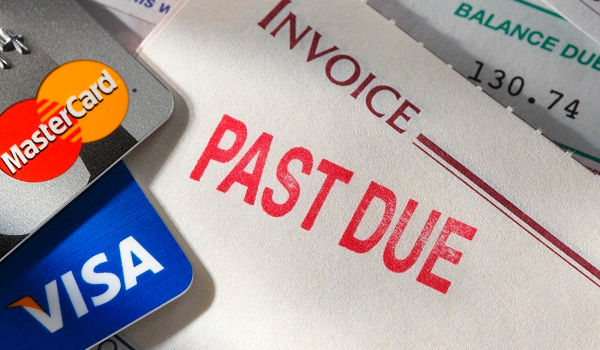
Late payment isn't just an inconvenience — it's one of the biggest silent threats to small business survival in the UK. In 2026, the numbers are more alarming than ever, and new legislation is finally starting to catch up. Here's what every SME owner needs to know.
The headline figures
Late payments are draining an estimated £11 billion from the UK economy every year, and the human cost is just as stark: 14,000 businesses close annually because of late payments — the equivalent of 38 businesses every single day.
At any given moment, over 1.5 million UK businesses (28% of all businesses) are affected by late payment, and collectively they're owed a staggering £26 billion, averaging around £17,000 per affected business. Other industry data puts the average even higher — one report found the typical SME is currently sitting on around £66,770 in unpaid invoices, a 10% increase year-on-year.
Recent quarterly figures show the problem is still getting worse, not better. In the first quarter of 2026, overdue invoices rose to 17.48 million, up 3% on the same period the previous year, with 1.57 million UK businesses carrying overdue bills on their books. Fresh data from Sage found that 49% of all SME invoices are now paid late, with businesses waiting an average of 27 days after issuing an invoice before receiving payment.
It's not just the money — it's the time
Chasing unpaid invoices eats into hours that should be spent running and growing the business. On average, businesses affected by late payment spend 86 hours a year chasing what they're owed — 133 million hours across the whole economy. Some businesses are so worn down by the problem that 15% have stopped working with certain customers altogether because of their payment behaviour.
Where the pain is worst
Late payment isn't evenly spread. Regionally, the West Midlands has the highest volume of overdue invoices (3.05 million), followed by Greater London (2.91 million) and Scotland (2 million). By sector, construction has the highest rate of late-paid invoices of any major industry — and the knock-on effect is severe, with 86% of construction and property firms reportedly already in, or heading toward, financial distress according to recent industry research.
The wider distress picture backs this up: businesses facing “critical financial distress” rose 36.9% to 62,193 in Q1 2026, while those in “significant distress” climbed 9.6% to 634,867, with rising costs compounding the cashflow squeeze caused by late payment.
Help is (finally) on the way
Government has taken notice. Following a public consultation, ministers confirmed a package of reforms in March 2026 aimed at strengthening protections for small businesses — described as the most significant overhaul of late payment law in over 25 years, intended to give the UK the strongest legal framework on late payments in the G7.
The legislation carrying these changes, the Small Business Protections (Late Payments) Bill, had its first reading in the House of Lords on 19 May 2026.
In the meantime, the existing statutory framework still gives SMEs real leverage. Under the Late Payment of Commercial Debts (Interest) Act 1998, businesses can charge interest on overdue invoices — with the Bank of England base rate at 3.75% as of December 2025, the applicable statutory rate is 12.50% per annum.
What SMEs can do right now
Waiting for legislation to take full effect isn't a cashflow strategy. In the meantime:
● Know your rights. You're already entitled to charge statutory interest and fixed compensation on late B2B invoices — most businesses simply don't use this leverage.
● Track exposure early. Don't let overdue invoices quietly build up. A business owed £17,000–£66,000 in unpaid invoices (the current UK averages) can find that gap fatal during a slow month.
● Escalate deliberately. A well-timed, professionally worded letter before action resolves far more debts than most businesses expect — often without ever going near a courtroom.
● Don't absorb the cost of chasing debt yourself. With affected businesses losing dozens of hours a year to invoice-chasing, outsourcing recovery isn't a luxury — it's often the cheaper option once staff time is properly costed in.
The bottom line
Late payment costs UK SMEs far more than the invoice value alone — it costs time, growth, and in thousands of cases each year, the business itself. New legislation is coming, but it won't fix cashflow overnight. Until it does, businesses that actively manage and enforce their payment terms will be the ones that survive the squeeze.
Worried about mounting overdue invoices?
Red Flag Specialists Ltd can help you recover what you're owed — before it becomes a red flag of its own. Get in touch with our team today.



Comments