


Spaghetti House Enters Administration: What It Means for Creditors, Suppliers and Debt Recovery in Hospitality
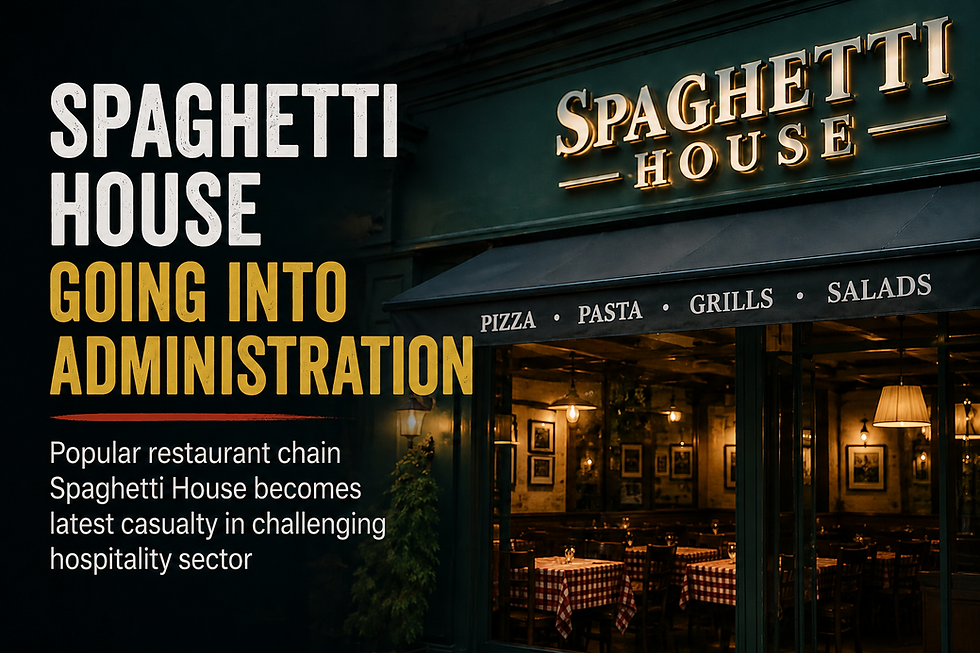
The collapse of long-standing Italian restaurant chain Spaghetti House into administration has sent shockwaves through the UK hospitality sector. After more than 70 years of trading, the family-run business has closed all remaining locations following the appointment of administrators from BTG Begbies Traynor. (The Times)
For suppliers, landlords, contractors, lenders and trade creditors, this latest insolvency highlights a growing issue across the UK economy: unpaid invoices and rising bad debt exposure. It also reinforces the importance of professional debt recovery and proactive debt collection strategies when businesses show signs of financial distress.
Spaghetti House Administration: What Happened?
Founded in 1955, Spaghetti House became one of London’s best-known Italian restaurant groups, operating multiple sites across central London. However, mounting operational pressures eventually pushed parent company Lavval Restaurants Limited into administration. (The Times)
According to reports, the business struggled with:
Rising employment costs
Increased energy bills
Reduced consumer spending
Post-Brexit supply chain pressures
Ongoing hospitality sector instability
Inflation and cost-of-living impacts
Administrators confirmed that all remaining sites closed immediately, resulting in more than 100 job losses. (Yahoo Finance)
Unfortunately, when companies enter administration, unsecured creditors often face substantial losses unless swift action is taken.
Why This Matters for Debt Recovery and Debt Collection
When a business enters administration, many suppliers are left chasing overdue invoices with limited options available. This is where professional debt recovery services become critical.
Businesses across hospitality, retail, construction and logistics are increasingly vulnerable to customer insolvency. Delayed payments can quickly turn into:
Cash flow disruption
Bad debt write-offs
Supplier liquidity issues
Increased borrowing costs
Operational instability
Effective debt collection procedures can significantly improve the likelihood of recovering outstanding balances before formal insolvency occurs.
At Red Flag Specialists, we regularly help businesses identify financial warning signs early and implement commercial debt recovery solutions before debts become unrecoverable.
Administration and Debt Recovery: What Creditors Need to Know
Once a company enters administration, creditors are usually prevented from taking direct legal enforcement action without administrator or court consent.
This means businesses owed money by Spaghetti House may now need to:
Submit a proof of debt claim
Communicate directly with administrators
Review retention of title rights
Assess secured vs unsecured creditor status
Evaluate recovery prospects
In many insolvency cases, unsecured creditors recover only a small percentage of what they are owed — and sometimes nothing at all.
This is why early-stage commercial debt collection is so important.
Key Warning Signs Before Businesses Enter Administration
The Spaghetti House administration follows a growing trend of hospitality insolvencies across the UK. Many businesses display warning signs months before collapse.
Common indicators include:
Persistent late payments
Requests for extended credit terms
Broken payment promises
Reduced communication from accounts departments
County Court Judgments (CCJs)
Supplier disputes
Sudden management changes
Site closures or redundancies
Spotting these signs early allows businesses to begin the debt recovery process before insolvency practitioners become involved.
How Professional Debt Collection Protects Cash Flow
Many businesses delay chasing debts because they fear damaging customer relationships. However, overdue accounts can rapidly become serious financial risks.
Professional debt collection agencies help businesses recover unpaid invoices while maintaining compliance and professionalism.
Benefits of outsourcing debt recovery include:
Faster recovery of overdue invoices
Improved cash flow
Reduced internal admin time
Legal escalation where necessary
Tracing services for difficult debtors
Insolvency monitoring
Credit risk analysis
At Red Flag Specialists, our approach combines commercial awareness with strategic debt recovery methods tailored to each client’s sector and debtor profile.
Hospitality Sector Insolvencies Are Rising
The hospitality industry continues to face major financial challenges in 2026. Rising operational costs and reduced discretionary spending have created significant pressure on restaurants, bars and casual dining groups.
The closure of Spaghetti House demonstrates how even established brands with decades of trading history are not immune to insolvency risks. (The Times)
For suppliers operating within hospitality, robust credit control, debt collection, and debt recovery strategies are now essential.
What Businesses Should Do If a Customer Is in Financial Trouble
If you suspect a customer may be struggling financially, acting quickly is critical.
Recommended steps include:
Reviewing aged debtor reports
Tightening payment terms
Pausing additional credit
Sending formal payment demands
Escalating overdue invoices early
Seeking professional debt recovery support
Monitoring insolvency notices
The earlier action is taken, the greater the likelihood of successful debt recovery.
Speak to Red Flag Specialists About Debt Recovery
If your business is dealing with unpaid invoices, late-paying customers or potential insolvency exposure, professional support can make a substantial difference.
Red Flag Specialists provides specialist debt recovery and debt collection services designed to help UK businesses protect cash flow and reduce bad debt risk.
Whether you need assistance recovering commercial debts, tracing debtors, or managing high-risk accounts, our team can help you take fast and effective action before debts become unrecoverable.


Comments