


John Lewis Is Struggling: What the Latest Results Really Mean for Suppliers and Creditors
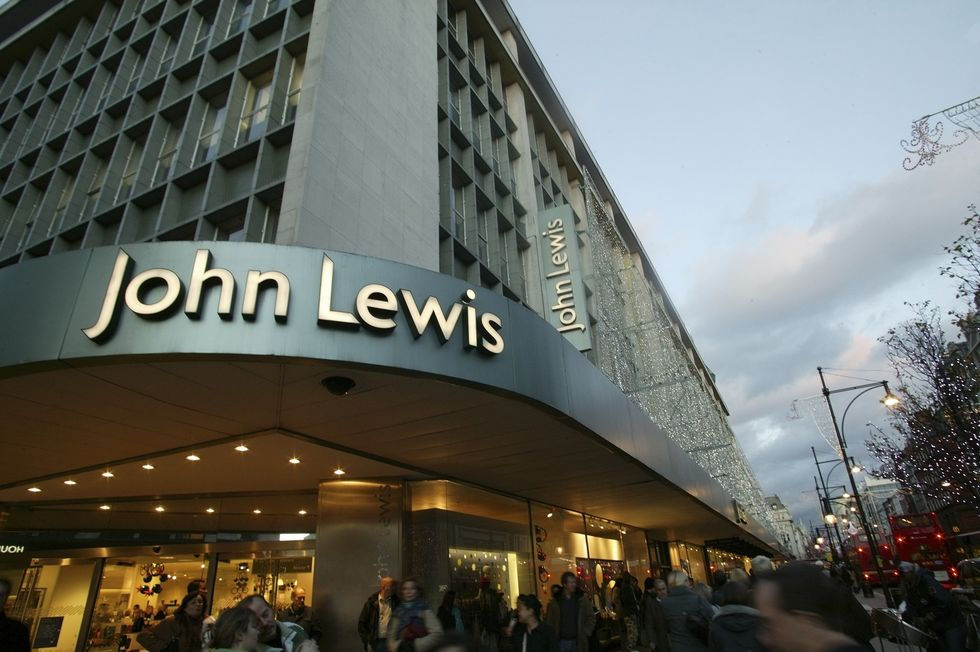
John Lewis is one of the UK's most recognisable retailers. But behind the famous brand, the latest financial results show a business operating under significant pressure.
The John Lewis Partnership has reported a £89 million loss before tax and exceptional items for the first half of 2026, compared with a £34 million loss during the same period last year.
Even more striking, the Partnership's statutory loss before tax widened to £124 million.
Yet this is not a story of a retailer simply running out of cash. John Lewis insists its balance sheet remains strong and says it remains confident of returning to an annual profit.
So what is really happening — and what should businesses supplying large retailers take from the situation?
The numbers are sending a warning
The John Lewis Partnership reported first-half sales of approximately £6.3 billion, up 2% year-on-year.
At first glance, that sounds positive.
But sales growth does not automatically mean improved profitability.
The Partnership's loss before tax and exceptional items increased from £34 million to £89 million, while cash generated from operations fell from £177 million to £131 million.
At the same time, the group is continuing to invest heavily in its transformation programme.
Investment in its brands increased by 29% to £246 million during the first half of the year, with the Partnership expecting to invest around £600 million during the full year.
That creates an important distinction:
John Lewis is not necessarily short of money — but it is under pressure to make its business significantly more profitable.
John Lewis department stores are feeling the pressure
The performance of the two major parts of the Partnership tells an interesting story.
Waitrose performed comparatively well, with sales increasing by 4% to £4.3 billion.
John Lewis department-store sales, however, fell by 2% to around £2 billion.
The weakness has been particularly evident in discretionary spending, with consumers becoming more cautious about purchasing higher-value products such as furniture and electrical goods.
That matters because department stores operate with substantial overheads.
Property.
Staff.
Stock.
Logistics.
Energy.
Technology.
Business rates.
And suppliers.
When customers become more cautious, those costs do not simply disappear.
A £1.4 billion liquidity cushion — but pressure remains
There is an important point that should not be overlooked.
John Lewis says it currently has £1.4 billion of liquidity, while external borrowings remain at historically low levels.
That means this is not currently a conventional insolvency story.
The Partnership has considerable financial resources and says its stro
ng balance sheet gives it the ability to continue investing through difficult trading conditions.
But strong liquidity does not mean suppliers should ignore financial warning signs.
For businesses supplying major retailers, the lesson is simple:
Large turnover does not automatically equal low credit risk.
A company can generate billions in sales while simultaneously facing margin pressure, rising costs, restructuring expenses and changing consumer behaviour.
The wider warning for suppliers
This is where businesses dealing with John Lewis — or any large corporate customer — should pay attention.
If a major customer begins restructuring operations, changing suppliers, reducing costs or delaying strategic investment, the impact can travel down the supply chain.
A supplier may have:
£20,000 of outstanding invoices
£50,000 of unpaid stock
£100,000+ in contracted work
extended payment terms
significant exposure to one customer
And the supplier may assume that because the customer is a household name, payment is guaranteed.
It isn't.
Credit risk exists at every level of the supply chain.
The bigger issue: Britain's retail sector
John Lewis is also operating against a difficult economic backdrop.
Consumers remain cautious.
Operating costs are high.
Business rates continue to be a major concern for retailers.
Employment costs have increased.
And retailers are being forced to invest heavily in technology, stores and customer experience simply to remain competitive.
John Lewis itself has highlighted the increased cost of doing business as one of the factors affecting its latest results.
The Partnership's annual results earlier this year showed that its underlying profitability had improved, but exceptional costs pushed the business into a £21 million statutory loss for 2025/26.
This illustrates the complexity of the situation.
There are positive signs.
There are also significant pressures.
And suppliers need to look at both.
What should creditors do?
If your business is owed money by a large company, waiting until a formal insolvency event occurs can be a very expensive strategy.
Creditors should be monitoring:
1. Payment behaviour
Are invoices being paid within agreed terms?
2. Changes to payment terms
Has your customer suddenly requested longer credit?
3. Outstanding balances
Is the amount owed increasing month after month?
4. Corporate changes
Are there restructuring announcements, changes in ownership, disposals or changes to the operating structure?
5. Exposure
How much money can your business afford to have outstanding to one customer?
6. Recovery options
If payment is not forthcoming, what practical options are available before the situation escalates?
Don't wait for the red flag to become an insolvency notice
The most important lesson from situations like John Lewis is not that the retailer is about to collapse.
There is no evidence that John Lewis is currently heading for insolvency.
In fact, the Partnership says it remains confident about delivering an annual profit and has substantial liquidity available.
The lesson is about credit awareness.
Financial pressure can develop long before an insolvency practitioner is appointed.
For suppliers and creditors, the time to review exposure is before a major customer becomes a serious problem.
At Red Flag Specialists, we help businesses take action when commercial debts remain unpaid — from debtor tracing and intelligence gathering to face-to-face intervention and enforcement strategies.
If you're owed money, don't wait until the warning signs become a crisis.
WE RECOVER DEBT. YOU FOCUS ON BUSINESS.
If your business is carrying an unpaid commercial debt, speak to Red Flag Specialists today.


Comments